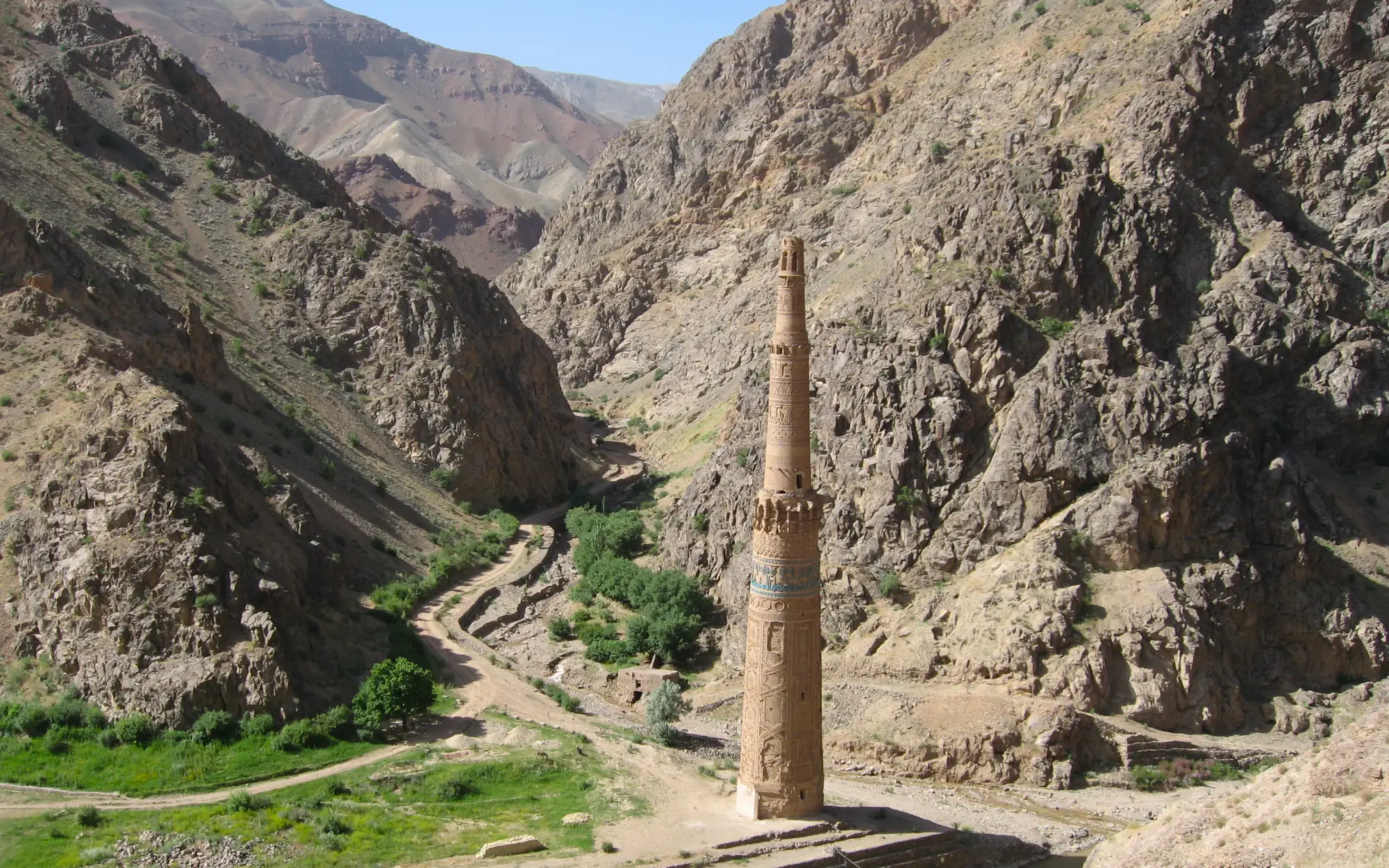
The Minaret of Jam, a timeless wonder in Afghanistan's hidden valleys
The Minaret of Jam, located in the rugged heart of Afghanistan, stands as a remarkable testament to the architectural and cultural achievements of the medieval Islamic world. Rising to a height of 65 meters (213 feet), this UNESCO World Heritage site is not only an architectural marvel but also a poignant symbol of Afghanistan's rich and tumultuous history.
Historical and architectural significance.
Constructed in the late 12th century during the reign of the Ghurid dynasty, the Minaret of Jam is believed to commemorate the victory of Sultan Ghiyath al-Din Muhammad over the Ghaznavids. The Ghurids, who hailed from the Ghor region of present-day central Afghanistan, were patrons of Islamic culture and architecture, and their influence extended across a vast region from Iran to northern India.
The minaret itself is a stunning example of Islamic architecture and artistry. Built entirely of fired bricks, it features intricate geometric patterns and Kufic inscriptions in turquoise tiles. These decorations, combined with the minaret’s slender, tapering form, create a visual effect that is both elegant and imposing. The detailed calligraphy and motifs reflect the high level of craftsmanship and the rich artistic traditions of the Ghurid period.
The remote location.
The Minaret of Jam is situated in the remote Shahrak District of Ghor Province, at the confluence of the Hari and Jam Rud rivers. This isolated location, surrounded by rugged mountains and deep valleys, has helped protect the minaret from the ravages of time and conflict but has also made it difficult to access.
This remoteness adds to the allure and mystery of the Minaret of Jam, drawing adventurous travelers and history enthusiasts who are willing to embark on the challenging journey to witness this architectural gem. The journey itself, through Afghanistan's dramatic landscapes, is an unforgettable experience.
Tourism and preservation efforts.
Visiting the Minaret of Jam requires careful planning and, due to security concerns, is often best done through guided tours arranged by specialized travel agencies. Despite the challenges, those who make the journey are rewarded with a glimpse into a part of history that remains largely untouched by modernity.
Discover the Minaret of Jam, a towering masterpiece of medieval Islamic architecture, nestled in the remote valleys of Afghanistan and bearing witness to the rich history of the Ghurid dynasty.
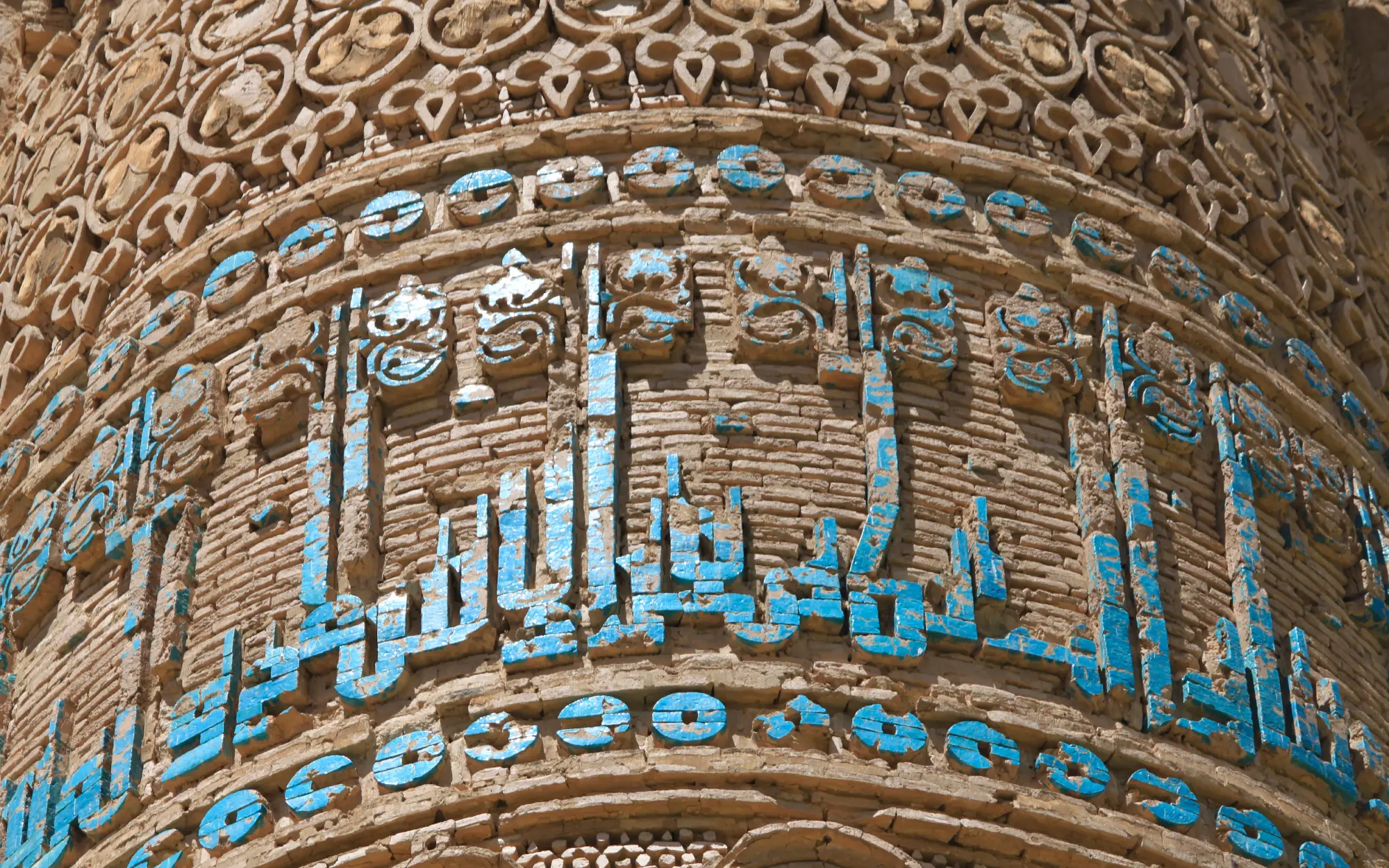
Intricate brickwork and turquoise Kufic script adorn the Minaret of Jam, showcasing exceptional Islamic artistry from the 12th century.
Efforts to preserve the Minaret of Jam have been ongoing, led by organizations such as UNESCO and the World Monuments Fund. These efforts are crucial, as the minaret faces threats from natural erosion, seismic activity, and the potential for flooding. International collaborations aim to stabilize the structure and protect the site for future generations.
Cultural context.
The Minaret of Jam is more than just an architectural wonder; it is a cultural beacon that provides insights into the Ghurid dynasty and their contributions to Islamic art and architecture. The minaret is thought to have originally been part of a larger complex that included a mosque, a madrasa (Islamic school), and possibly a palace. Although these structures have not survived, the minaret alone speaks volumes about the cultural and religious fervor of the Ghurids.
The experience of visiting.
For those able to visit, the Minaret of Jam offers a profound and moving experience. Standing at the base of this ancient tower, one can imagine the bustling activity of a thriving medieval city that once existed here. The sense of history is palpable, as is the awe inspired by the minaret's sheer size and the intricacy of its decorations.
The surrounding landscape, with its rugged beauty and tranquil rivers, adds to the sense of stepping back in time. Visitors often describe a feeling of connection to the past and a deep appreciation for the enduring legacy of the Ghurid dynasty.
The Minaret of Jam is a hidden gem that encapsulates the grandeur and complexity of Afghanistan's historical and cultural heritage. Its remote location and the challenges associated with visiting only enhance its mystique and allure. As efforts to preserve this site continue, the Minaret of Jam stands as a symbol of resilience and a reminder of the rich history that lies within Afghanistan's borders. For those seeking to explore the depths of Islamic architecture and history, the Minaret of Jam offers an unparalleled and unforgettable experience.
Welcome to Afghanistan!
Another inspiring sights
Afghanistan
Discovering the timeless beauty of Herat’s Old City
Turkmenistan
Eternal echoes of the Silk Road, the luxurious legacy of Merv
Afghanistan
Share this sight with: