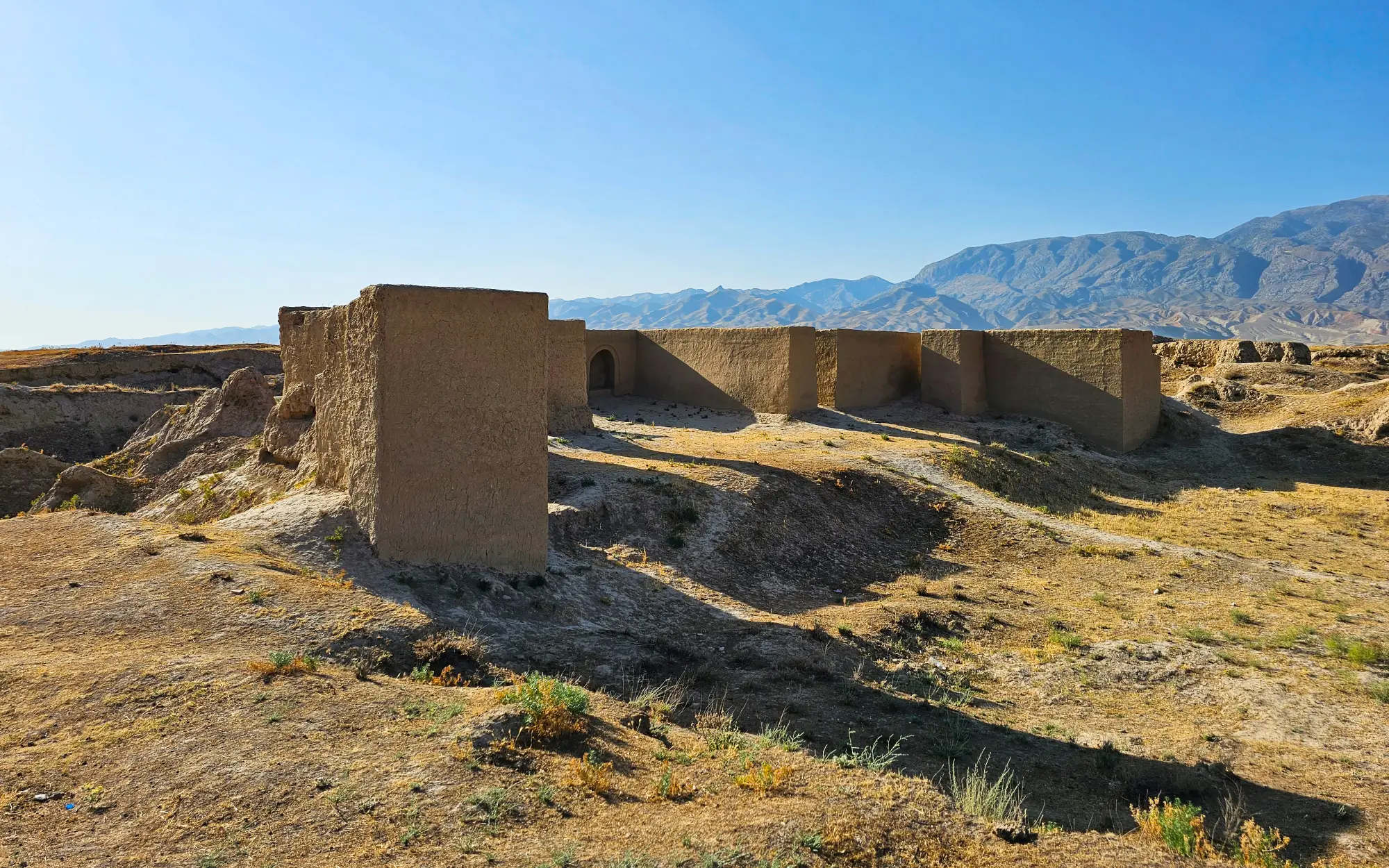
Penjikent, echoes of the Silk Road
Nestled in the verdant Zeravshan Valley of Tajikistan, the ruins of Penjikent offer a fascinating glimpse into the past, revealing the splendor of a city that once played a pivotal role in the Great Silk Road. Today, both the ancient ruins and the modern city of Penjikent beckon travelers with their rich history, remarkable architecture, and vibrant cultural tapestry, promising a journey that intertwines the past with the present.
Founded in the 5th century, ancient Penjikent was a thriving Sogdian city known for its strategic location along the Silk Road. It served as a bustling hub for traders and travelers, facilitating the exchange of goods, ideas, and cultures between the East and the West. The city's prosperity is evident in the ruins that stand today, offering insights into its architectural and cultural significance.
The architecture of ancient Penjikent is a testament to the city's historical wealth and importance. Excavations have uncovered a labyrinth of residential and public buildings, temples, and markets adorned with intricate frescoes and carvings that depict scenes from daily life, mythology, and commerce. The city's residential compounds, often two stories high, with central courtyards, reflect a sophisticated urban planning and architectural style that was advanced for its time.
One of the most notable places within the ancient site is the remains of the city's fortress, which once served as a defensive structure as well as a symbol of the city's might. The Zoroastrian fire temples found within the site underscore the religious diversity and tolerance that characterized the Silk Road cities.
Step into the past and explore the ancient ruins of Penjikent, a once-flourishing Silk Road city, and discover its enduring legacy through its architecture, history, and vibrant modern culture.
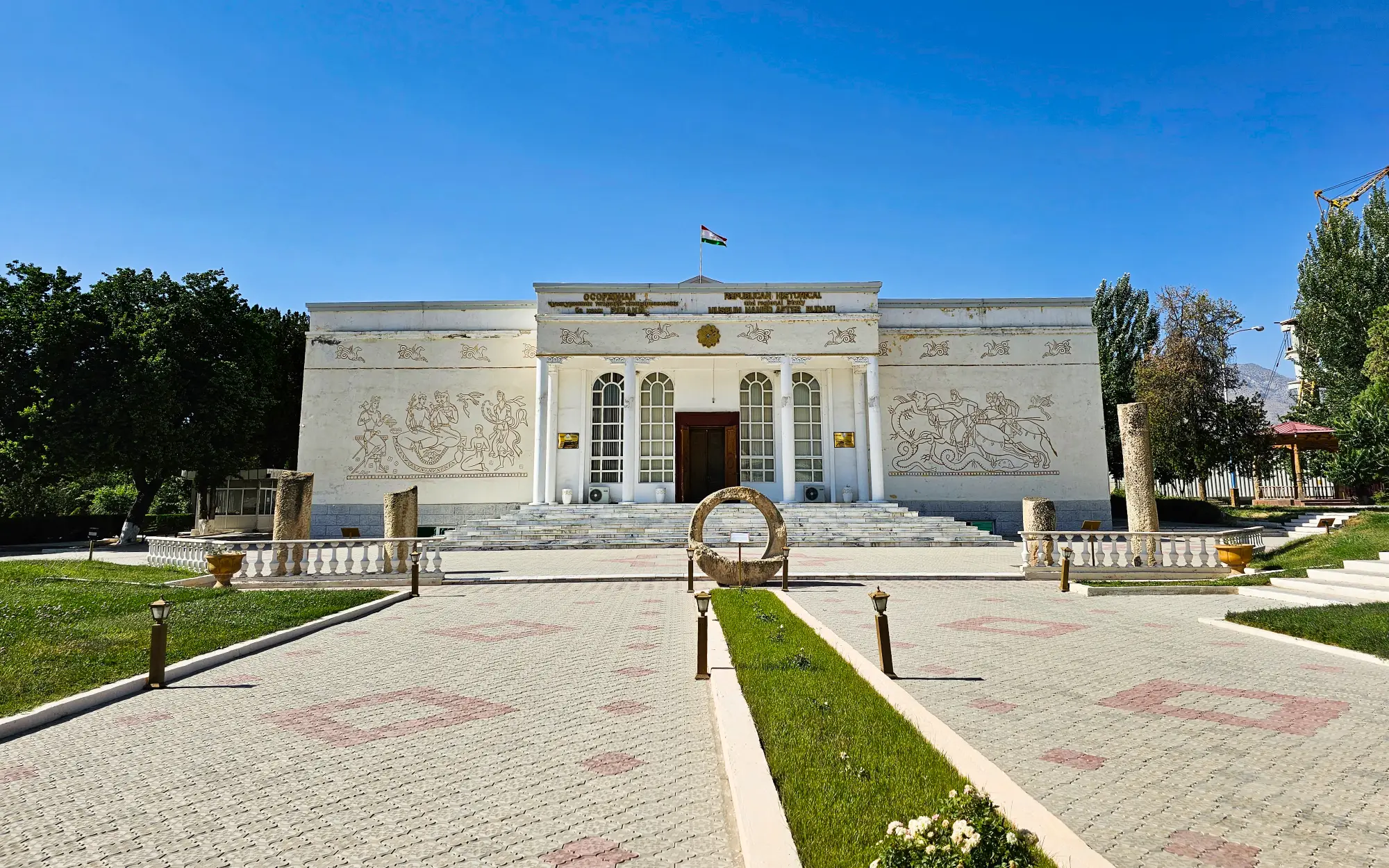
Rudaki Museum hosts an extensive collection of artefacts from Sarazm and Penjikent sites.
The modern city of Penjikent, located a short distance from the ancient ruins, continues to thrive, maintaining its heritage while embracing the present. Visitors can explore its bustling bazaars, museums, and mosques, offering a deeper understanding of the region's history and culture. The Rudaki Museum, named after the famous Persian poet who was born in this area, houses artifacts from the ancient city and offers insights into its historical significance and daily life.
Cultural immersion in Penjikent goes beyond historical exploration. The city's vibrant culinary scene offers a unique opportunity to delve into Tajik cuisine, known for its flavorful dishes that have been influenced by its position on the Silk Road. Travelers can partake in cooking classes or visit local homes to learn how to prepare traditional dishes such as plov (a hearty rice dish), samsa (baked pastry filled with meat), and qurutob (a popular yogurt-based dish), offering a taste of the region's rich culinary heritage.
For those seeking an immersive experience, participating in local festivals or visiting during Navruz, the Persian New Year, provides a colorful and vibrant display of local customs, music, and dance, further connecting visitors to the region's rich cultural fabric.
The ruins of Penjikent and its modern counterpart offer a journey through time, from the glory of its past as a key Silk Road city to its present-day allure as a center of culture and tradition. This blend of historical exploration, architectural marvels, and cultural immersion makes Penjikent a must-visit destination for those seeking to uncover the layers of history and culture that have shaped this fascinating region of Tajikistan.
Welcome to Tajikistan!
Another inspiring sights
Tajikistan
The Sarazm site, a commercial enclave of an agricultural society that existed more than 5500 years ago
Tajikistan
Khujand, an important stopover point on the Great Silk Road
Kazakhstan
Share this sight with: