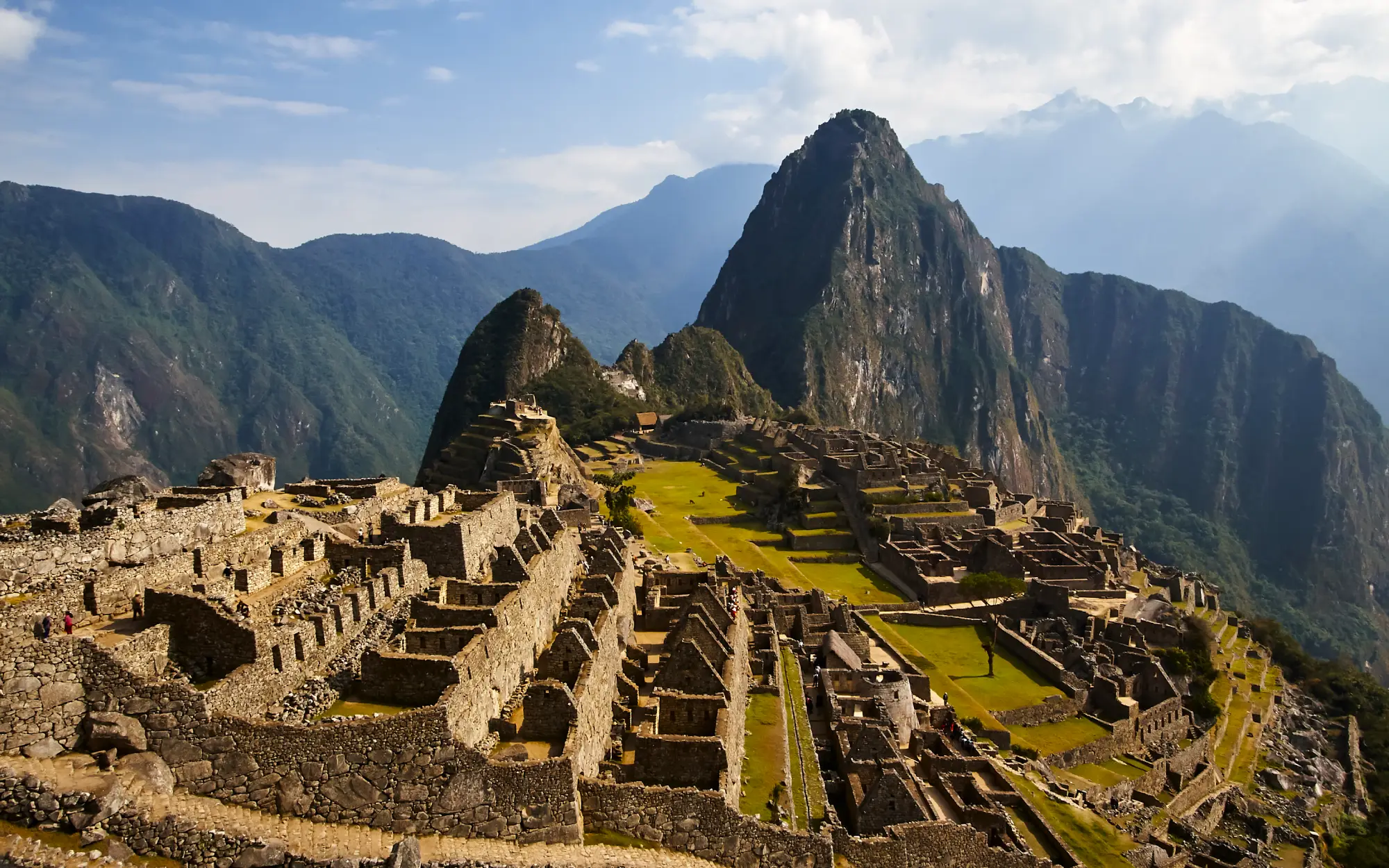
The citadel of Machu Picchu: a masterpiece of Inca engineering and architecture
Machu Picchu, set high in the Andes Mountains of Peru, is one of the most iconic and enigmatic ancient sites in the world. Often referred to as the "Lost City of the Incas," it was unknown to the outside world until its discovery by Hiram Bingham in 1911. This UNESCO World Heritage Site captivates visitors with its architectural ingenuity, scenic beauty, and the mystery surrounding its original purpose.
Machu Picchu is a testament to the advanced engineering skills of the Incas. Built in the 15th century, the site comprises over 150 buildings, ranging from temples and sanctuaries to baths and houses. The structures are constructed with precise stone masonry, showcasing the Incas' mastery in sculpting and fitting huge stone blocks without mortar. The most notable structures include the Temple of the Sun, the Intihuatana stone, and the Room of the Three Windows.
The site is believed to have held great spiritual significance for the Incas. Its temples and altars align with astronomical events, such as the solstices, suggesting that it was used for religious and ceremonial purposes. The Intihuatana stone, in particular, is thought to have been an astronomical clock or calendar.
Machu Picchu's location contributes significantly to its allure. The site is nestled on a mountain ridge, about 2,430 meters above sea level, overlooking the Urubamba River valley. This dramatic setting creates a stunning visual impact, with terraced hillsides and sharp peaks providing a dramatic backdrop to the ancient stone structures.
For many visitors, the journey to Machu Picchu is as memorable as the destination itself. The Inca Trail, a four-day trek through the Andes, is a popular route that follows the path taken by the Incas. This challenging hike offers stunning landscapes, passing through cloud forests, alpine tundra, and several Inca ruins before culminating in the Sun Gate overlooking Machu Picchu.
Machu Picchu, the 'Lost City of the Incas,' is a mesmerizing blend of historical mystery and natural wonder, perched majestically between the Peruvian Andes and the Amazon Basin.
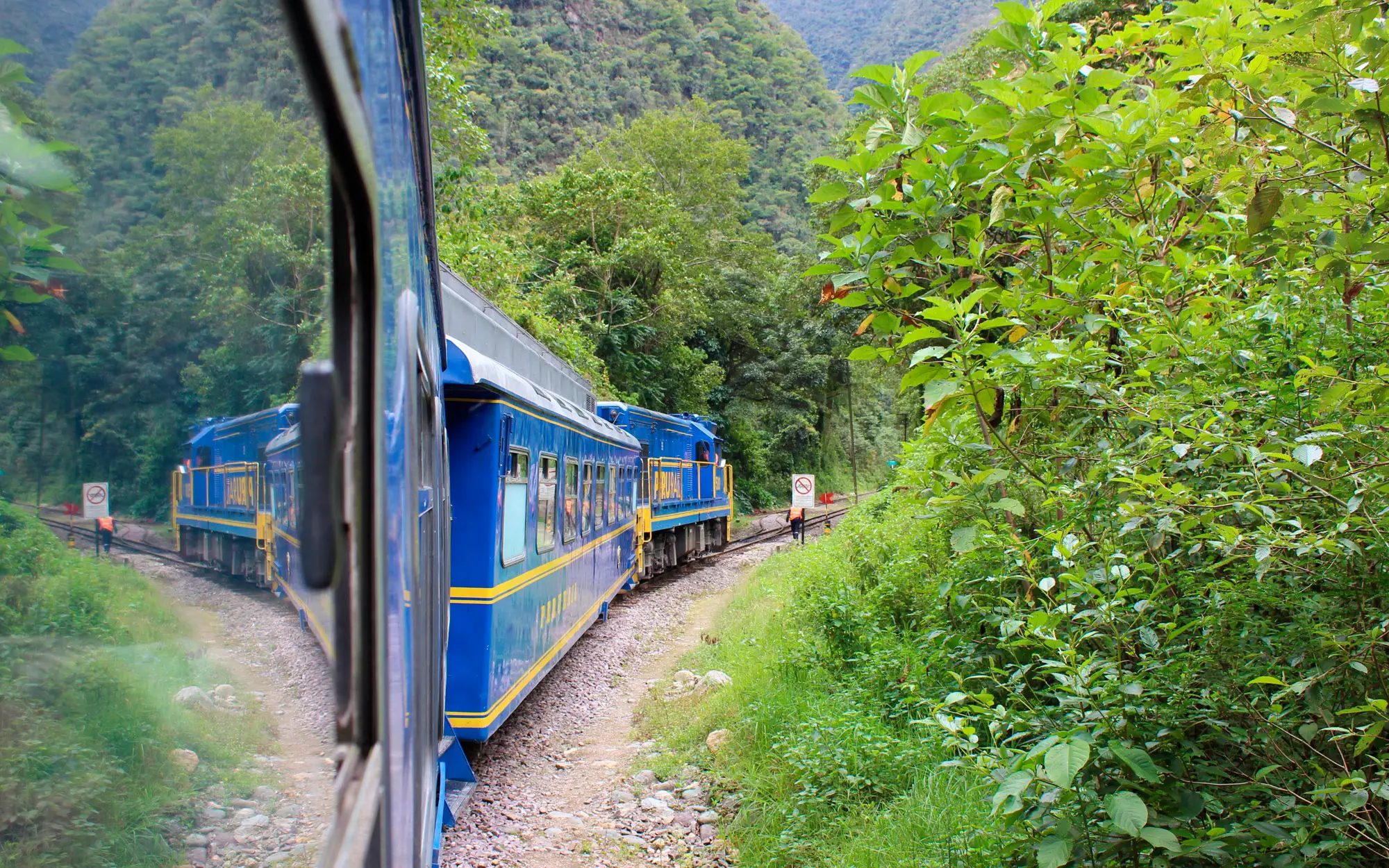
A spectacular train journey through the foot of the Andes mountains to Machu Picchu.
The region around Machu Picchu is rich in biodiversity, home to a variety of flora and fauna. The cloud forests surrounding the site are a haven for orchids, hummingbirds, and the spectacled bear, among other species. This natural richness adds another dimension to the Machu Picchu experience.
As one of the most famous tourist attractions in the world, Machu Picchu faces challenges related to sustainable tourism and preservation. Efforts are ongoing to balance the preservation of this historical treasure with the needs and interests of the thousands of visitors it attracts every day.
Machu Picchu can be visited year-round, but the best time is during the dry season from May to September. Visitors are advised to book their trip well in advance, especially if planning to hike the Inca Trail, as permits are limited and can sell out quickly. The nearby town of Aguas Calientes serves as the gateway to Machu Picchu, with frequent train services and accommodations.
Machu Picchu is not just an archaeological site; it's a journey into the heart of Inca civilization and a chance to stand amidst one of the great marvels of the ancient world. Its combination of historical significance, architectural brilliance, and natural beauty makes it a profound and unforgettable experience, offering a glimpse into a mysterious past and the ingenuity of the Inca Empire.
Welcome to Peru!
Share this sight with: