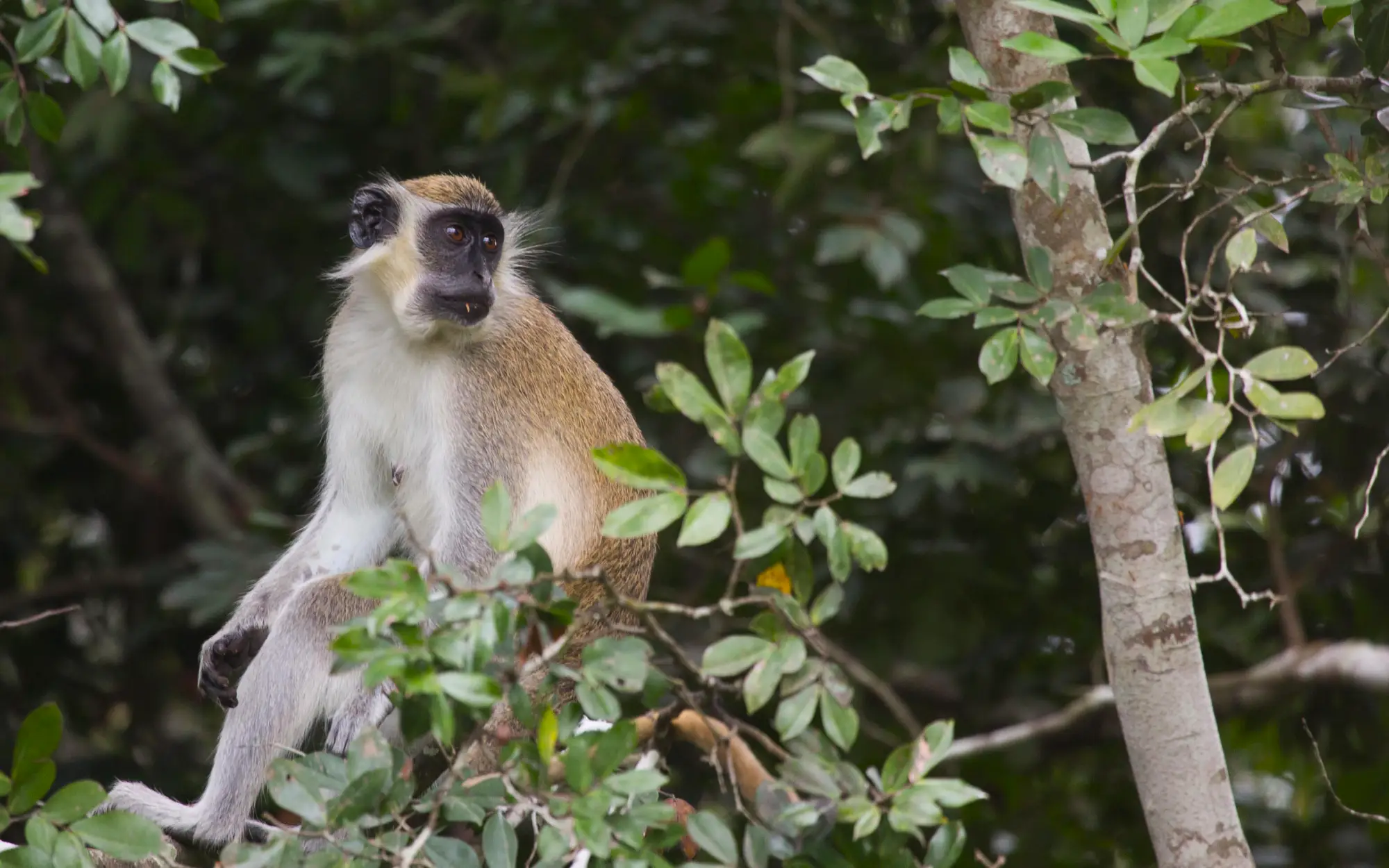
Comoé National Park, a biodiverse treasure in West Africa
Located in the northeastern region of Côte d'Ivoire, Comoé National Park spans approximately 11,500 square kilometers, making it one of the largest protected areas in West Africa. Named after the Comoé River that flows through it, the park is renowned for its exceptional biodiversity, encompassing savannas, forests, and wetlands. Established in 1968 and designated as a UNESCO World Heritage site in 1983, Comoé National Park is a vital sanctuary for numerous plant and animal species.
A haven of biodiversity.
Comoé National Park's unique position at the intersection of the Guinean and Sudanian savannas creates a remarkable variety of habitats. This diversity supports an array of flora and fauna, some of which are rare or endangered. The park's lush landscapes and pristine ecosystems are a testament to nature's resilience and beauty, making it a prime destination for eco-tourism and scientific research.
Flora: A botanical wonderland.
The flora of Comoé National Park is incredibly varied, with an impressive mix of forest, savanna, and aquatic plant species. The park's vegetation is primarily characterized by its transitional nature, blending elements of both West African forests and savannas.
Forested areas.
The gallery forests along the Comoé River and its tributaries are particularly notable. These forests are dense and rich with species such as the African mahogany, iroko, and kapok trees. The undergrowth is lush, with a variety of shrubs, vines, and epiphytes that provide essential habitat for many wildlife species.
Savannas.
The vast savannas of Comoé National Park are dotted with towering baobab trees and clusters of shea butter trees. These savannas transition into wooded areas where species like the African locust bean tree and the combretum thrive. The open landscapes are interspersed with patches of grasslands that host a variety of grasses and herbs, crucial for the park's herbivorous wildlife.
Wetlands.
The wetlands and floodplains along the Comoé River support a diverse array of aquatic plants. Papyrus, water lilies, and various types of reeds dominate these areas, providing critical breeding grounds for fish and nesting sites for birds.
Comoé National Park, a UNESCO World Heritage site in Côte d'Ivoire, boasts an extraordinary range of flora and fauna, making it one of the most ecologically diverse parks in West Africa.

The park was initially added as a World Heritage Site due to the diversity of plant life present around the Comoé River.
Fauna: A wildlife spectacle.
Comoé National Park is a haven for wildlife enthusiasts, offering sightings of some of Africa's most iconic animals. The park's varied ecosystems support a remarkable array of mammal, bird, reptile, and amphibian species.
Mammals.
The mammalian fauna of Comoé National Park is diverse, with over 135 species recorded. Elephants, lions, and leopards are among the park's most famous residents. The park also supports healthy populations of buffalo, hippos, and several species of antelope, including the rare roan antelope and the elusive bongo. Primates are well represented, with chimpanzees, baboons, and colobus monkeys frequently observed.
Birds.
Birdwatchers will find Comoé National Park a paradise, with over 500 bird species documented. The park's varied habitats attract a wide range of birds, from savanna species like the Abyssinian ground hornbill to forest dwellers such as the African grey parrot. Wetland areas host a plethora of waterbirds, including herons, egrets, and the striking saddle-billed stork. The diversity of birdlife makes the park a critical area for avian conservation and a prime spot for birding tours.
Reptiles and amphibians.
Reptiles and amphibians are also abundant in Comoé National Park. Nile crocodiles and various species of turtles inhabit the river systems, while numerous snakes, including pythons and cobras, can be found throughout the park. Amphibian diversity is particularly high in the wetland areas, with numerous frog and toad species contributing to the park's rich biodiversity.
Comoé National Park is a jewel of biodiversity, offering a unique blend of flora and fauna that is unmatched in West Africa. Its diverse habitats support an extraordinary range of plant and animal species, making it a crucial area for conservation and a captivating destination for nature enthusiasts. From the towering trees of its gallery forests to the expansive savannas and the vibrant life along its waterways, Comoé National Park is a testament to the beauty and complexity of the natural world. For those seeking an unforgettable wildlife experience, this park offers a rare glimpse into the heart of Africa's ecological treasures.
Welcome to Ivory Coast!
Share this sight with: